654. Vampire’s nature

654 (b). Vampire nature

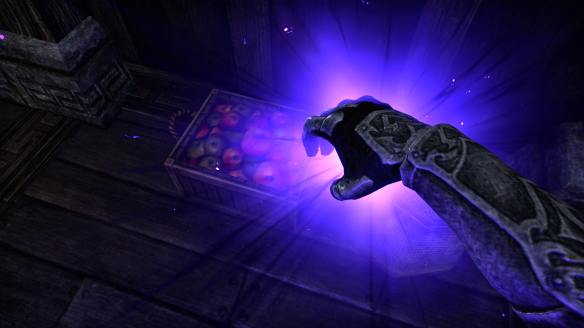
For as long as men have walked these Colovian highlands, vampires have stalked their trail. From the lone fiend preying upon village or homestead, to the clandestine covens in secluded caves and remote ruins working toward nefarious purpose. Up until recently I would have remorselessly put down these undead creatures without hesitation as I would any other rabid beast. But having met the Ravenwatch clan in Rivenspire from whom I learnt that vampires weren’t just ravenous undead, but can be lucid and aware. Retaining many characteristics of their former natures in undeath, they are capable of both reason and compassion; and that makes them monsters.

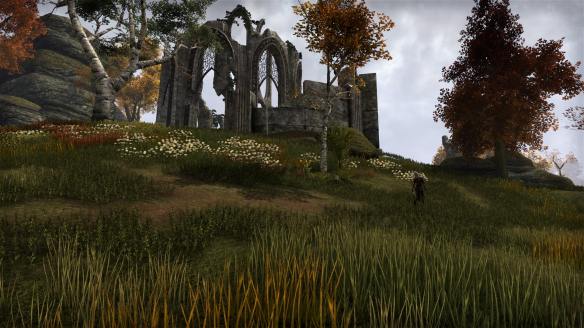
Two residents of Weynon Priory have been kidnapped by vampires during the night and taken to an ancient Ayleid ruin known locally as the Lipsand Tarn. The acolytes fear that they may have already been killed and risen again as bloodfiends, mindless feral undead, little more then skeevers under the vampires thrall.

654 (e). Vampire nature

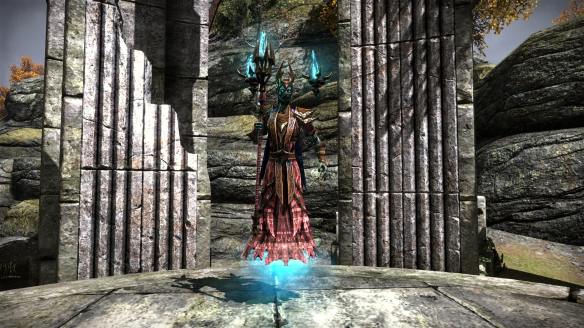
I find the ruins infested with these bloodfiends banqueting upon fresh cadavers by suckled gore, under the unhallowed gaze of their vampire overseers. The cold corpses of the villagers lie atop stone tables in bloody shrouds and with a whispered orison to Arkay, I set their bodies ablaze.

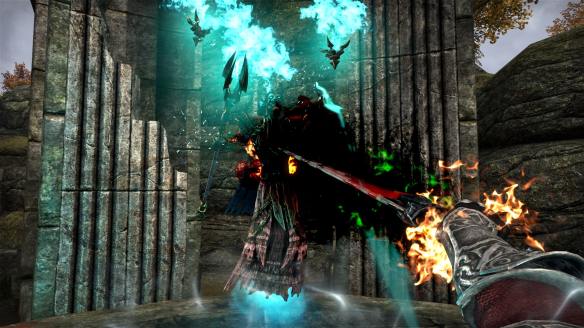
It would be foolish for me not to at least attempt to put down the leaders of this coven whilst I am here. Marbita, a Redguard woman in life, and Gaston Ashham a Breton together head this Bloodborn coven; until I find the means to behead them both.

I could discover no motive for why this coven are building such a force of bloodfiends in this secluded ruin. But I did find a note which suggested that Ashham travelled all the way to Cyrodiil from Stormhaven with a sister. Perhaps I shall find her in another delve, or perhaps she shall find me first; after-all, to thirst for revenge is only human nature.

S.K

653. The weight of the innocent

In such turbid times when criminals are no longer punished by the hands of the law, they must be punished by the hands of other men.

The Black Dagger bandits have long been a pestilence upon the Colovian countryside, but since the onset of this Banners war, there has no longer been any authority around to bring them to justice, and so they feel free to pillage and murder with impunity. The acolytes of Weynon feel powerless against such injustices, and so after the torture and murder of their emissaries and the theft of an ancient relic from their Priory, they has resorted to requesting aid from any mercenary who happens by.

They ask first that I retrieve their relic from the bandit camp to the west, and next that I find the abandoned house where the bandits store their supplies and poison their food. That such devout men should make such a request shows how dismayed and despairing they have become. I guess it is a burden upon the conscience of men of faith to have to weigh such an iniquitous act against the lives of innocents the act might save. They are not the first, and not the last to fret if their one bad deed might wash away all the good.

653 (g). The weight of the innocent

S.K

652. The Lich of Lindai

652 (a). The Lich of Lindai652 (b). The Lich of Lindai

The acolytes of Weynon Priory tell me that a Lich has been risen by the Shadowed Path cult in the Ayleid ruins of Lindai to the east. They fear that if this fiend isn’t destroyed, it’s corruption will quickly spread threatening the Priory, Chorrol and beyond.

652 (c). The Lich of Lindai

Emperor Leovic’s infamous decree six years ago legalizing Daedra worship across the empire gave rise to a number of these necromantic cults. Perhaps only the Betrayer’s Black Worms who supplanted the Mages Guild in the Imperial city, now holds more power and sway in Cyrodiil then the Shadowed Path. But if left unchecked with a lich to lead them the cults influence across the province could become unstoppable.

Necromancy, whilst still considered dangerous, immoral and heretical by most Divine worshipping cultures, has become far more widespread and passively accepted in recent years. To the point where even the Mages guild have begun accepting necromancers, arguing that their discipline is but a division of the conjuration school of magic; though officially it is still a practice banned within their guild halls.

652 (f). The Lich of Lindai

I am not a moral man, but surely damned are those who cower behind neutrality in times of great moral crisis. To what principles I hold, the assumption of necromancers that the dead are without rights and that our treatment of their mortal remains has no moral significance, is outrageous.

S.K

651. Faith and fate

651 (a). Faith and fate

The devout acolytes of the Weynon Priory will tell you that the most important thing in their life is their faith. But faith nourishes only the soul, for the body the Priory relies upon sending people out to collect vital supplies from towns and forts around the province. One such courier, Lucius, has not yet returned from an expedition to Pell’s Gate, and the acolytes fear for his fate, and that of the desperately needed supplies.

Unfortunately the news I had heard back in a tavern at the High Rock Gates was that, like so many small settlements in the region since losing the protection of the Legions, Pell’s Gate had been left but a smouldering ruin by bandits. I have not the heart yet to pass on that news, not whilst the acolytes still cradle the hope that their friend yet lives. They believe he may be camped out in Coldcorn Ruins, an old fort to the east he regularly used as a camp.

651 (d). Faith and fate

I arrive at the ruined fort only to find a group of trolls has moved into the area. Trolls are usually solitary creatures, to find such a horde living together is rare. But I guess with so many armies battling across the province even these beasts feel safer in a pack. The many ruined forts scattered across the Lonely Hills make perfect refuges for them during the day, before heading out at night to scavenge the battlefields of men and mer.

651 (g). Faith and fate

Within the last standing tower of Coldcorn I find a body. Alas that Lucius had survived the bandits at Pell’s Gate and somehow miraculously returned with the much needed supplies, only to fall victim at the last furlong to an unlikely band of trolls. It seems even Akatosh holds no sway over fate.

S.K

650. The Weynon Priory

650 (a). The Weynon Priory

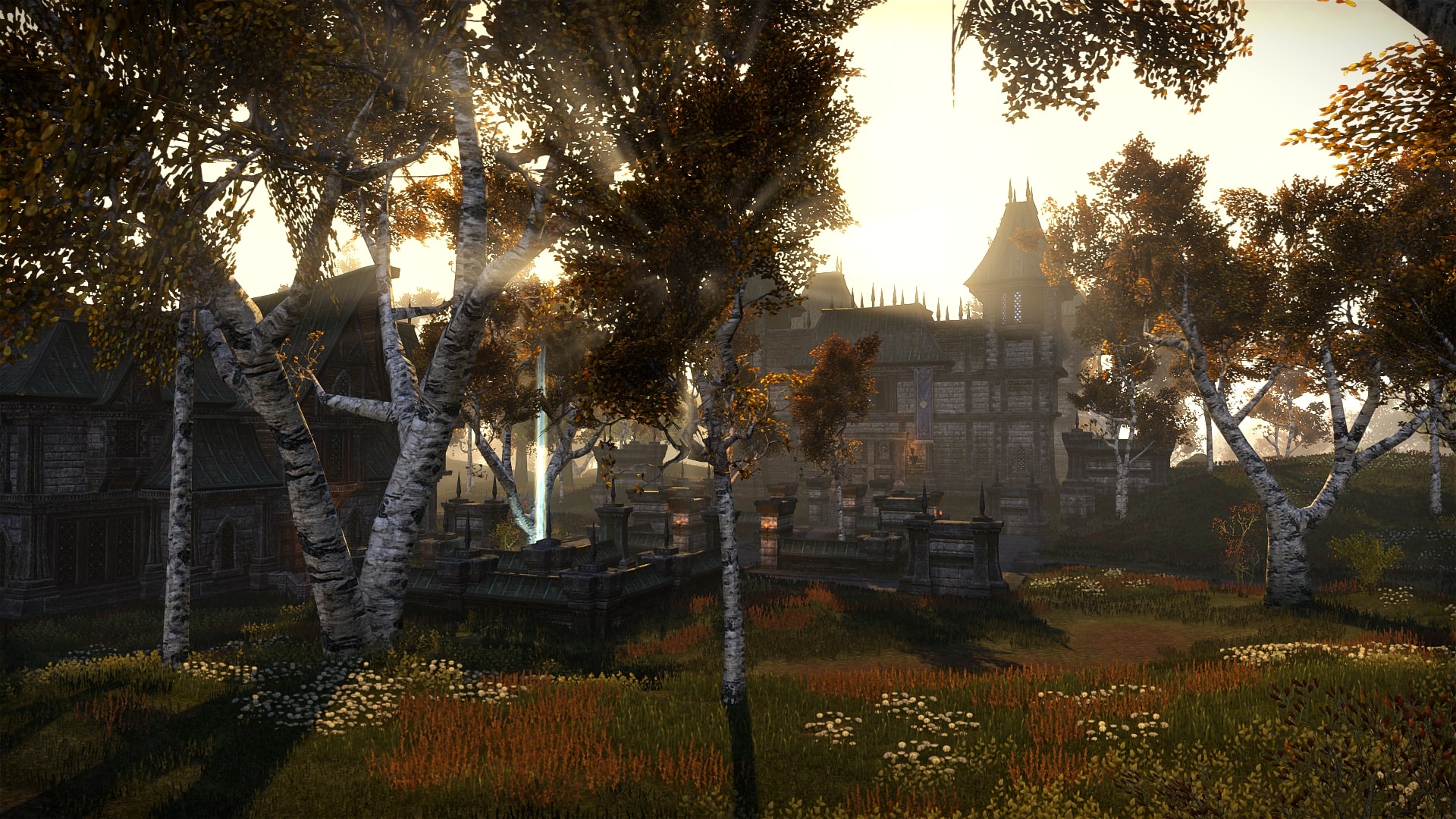
Just east of Chorrol on the edge of the Great Forest can be found the Weynon Priory, an abbey dedicated to the dragon god Akatosh. As one might expect the priory remains neutral to the Banners, yet has been far from unaffected by the ongoing war outside its walls. Targeted by both the Black Dagger bandits and a necromantic cult calling themselves the Shadowed Path, the priory has only survived thanks to the aid of passing soldiers and adventurers of all Banners.

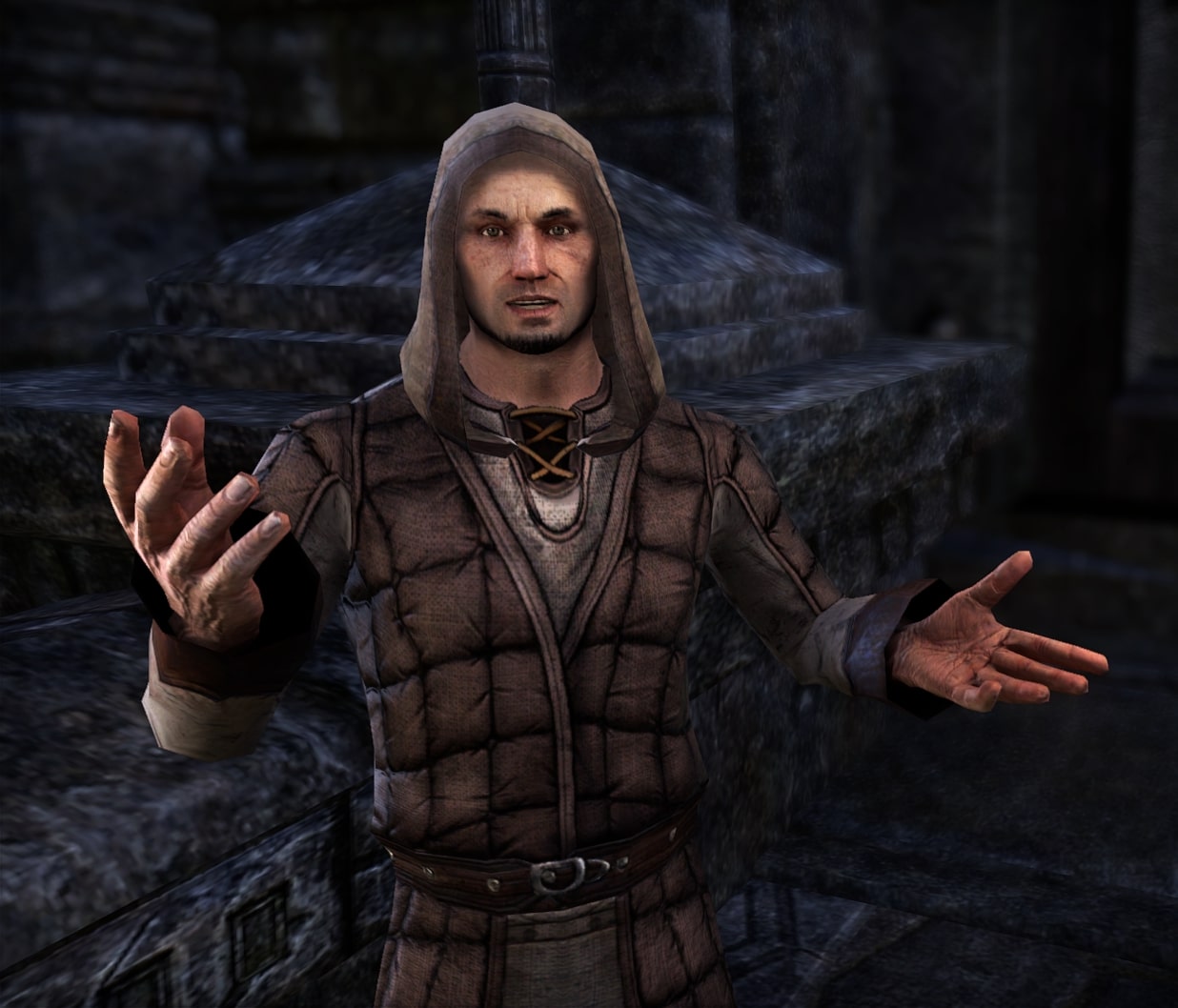
People of all backgrounds come to Weynon Priory, some to keep their faith pure, others seeking guidance or understanding through reflection and contemplation. Like Viivitar a High Elf who claims to have “…found the peace I never knew as an adventurer.” Or the Imperial Candria Rullus who spends her days kneeling in her favourite spot with, “…Nature’s beauty spread before me, yet I can feel the warmth of Akatosh’s presence at my back.“ Or even the Dark Elf acolyte Tama who is happy to share her tale of how a chance encounter with a priest of Akatosh inspired her to leave her homeland and make the long and arduous journey to the Priory. “…Akatosh guided me here”, she says, “protecting me from the dangers of the long road. I will serve him the rest of my days.

650 (g). The Weynon Priory

Yet not everyone finds what they are searching for in the Priory. Rogeraud complains that when he asks how and why, he is told that Akatosh’s plan is beyond mortal ability to understand. Even in a monastery arguments are fitted to practice, and truths are hidden behind stained glass and piety.

650 (h). The Weynon Priory

This is because a monastery is not built to answer questions or solve problems, but to hide from them. These acolytes live like birds in a cupped hand, with all their needs taken care of. They have work, a roof over head, food on the table, clothing on their back, all they have to do is promise to never leave the security of the Priory… Sounds much like a prison to me.

S.K